Linen shirts have long been a staple of men’s wardrobes, particularly for those who value comfort, breathability, and effortless style. From casual summer outings to semi-formal occasions, a well-maintained linen shirt can elevate your look while keeping you cool. However, linen is a delicate, natural fabric that requires special attention to maintain its softness, shape, and overall quality. Without proper care, linen can wrinkle easily, shrink, or fade, reducing its lifespan and aesthetic appeal.
At Bravlinen, we understand the challenges that come with caring for men’s linen clothing. That’s why we’ve created this comprehensive guide on How to Wash & Care for Men’s Linen Shirts, designed to help you keep your shirts looking fresh, comfortable, and stylish for years to come. By following these proven techniques for washing, drying, ironing, and storing, you can enjoy the many benefits of linen without the common frustrations that come with mishandling this natural fabric.
Understanding Linen Fabric
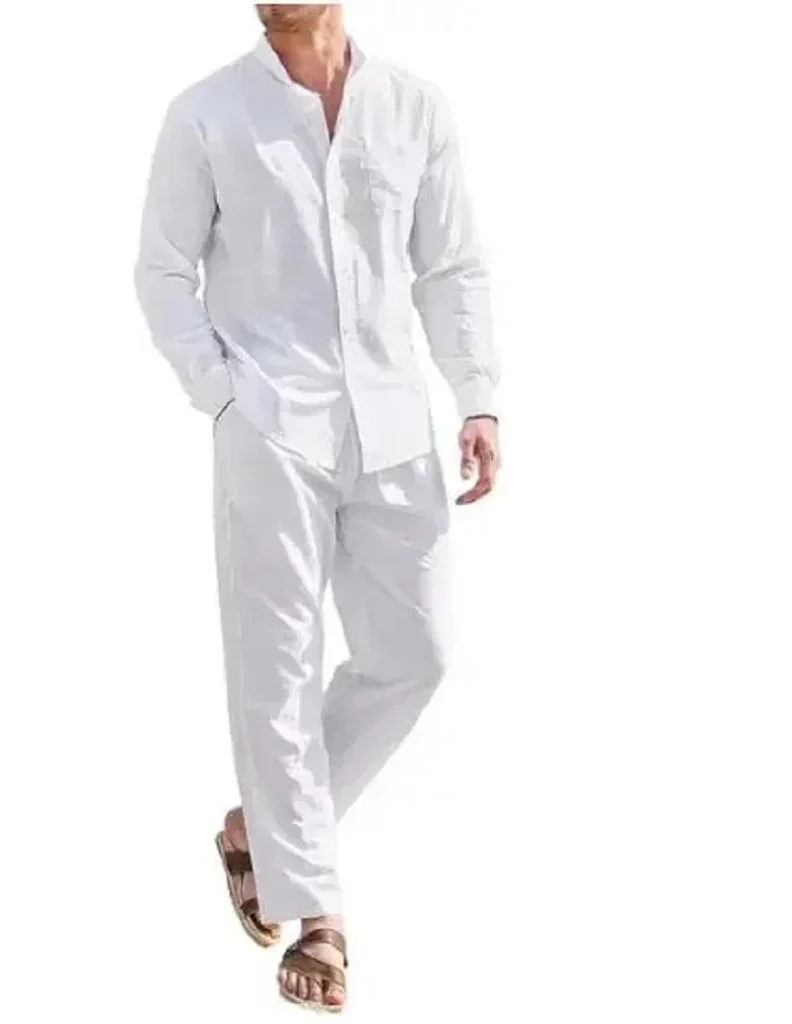
Linen is a unique fabric that combines natural comfort with durability, making it a favorite for men’s summer shirts. Before learning how to wash and care for linen, it’s important to understand its characteristics and why it requires special attention.
What is Linen?
Linen is a natural fiber derived from the flax plant, known for its lightweight, breathable, and eco-friendly qualities. Unlike cotton or synthetic fabrics, linen has a unique texture that is both soft and durable, making it an excellent choice for summer wear and casual men’s shirts. Its moisture-wicking properties allow air to flow freely, keeping you cool even in hot weather.
Despite its many advantages, linen is wrinkle-prone and requires careful handling. The natural fibers can shrink if exposed to high heat or improper washing, and prolonged exposure to sunlight can cause colors to fade. Understanding these characteristics is essential before diving into the washing and care process.
Why Linen Shirts Require Special Care?
Unlike synthetic or blended fabrics, linen doesn’t respond well to harsh chemicals, hot water, or aggressive drying. Improper handling can lead to:
- Shrinkage: High heat can cause natural linen fibers to contract.
- Wrinkles: Linen wrinkles easily, which may affect the shirt’s crisp appearance.
- Color fading: Direct sunlight or strong detergents can fade the vibrant colors of your shirts.
- Fiber weakening: Rough washing or tumble drying can damage the fabric, making it stiff or rough over time.
By following proper care techniques, the softness, breathability, and overall quality of linen shirts can be preserved, ensuring they remain a comfortable and versatile staple in any wardrobe.
Pre-Washing Tips for Men’s Linen Shirts
Before you start washing, taking a few preparatory steps can make a significant difference in the longevity of your linen shirts.
- Check the Care Label: Always start by checking the care label attached to your linen shirt. Manufacturers provide instructions specific to the shirt’s fabric blend, dye, and construction. Following these instructions can prevent shrinkage, color fading, and fabric damage.
- Pre-Treating Stains: If your linen shirt has stains, pre-treat them carefully using a gentle, fabric-safe stain remover. Avoid bleach or harsh chemicals that can weaken fibers or alter the color. For delicate spots, lightly dab the stain with a mild detergent mixed with cold water. Allow it to sit for a few minutes before washing.
How to Wash Men’s Linen Shirts?
Washing is arguably the most critical part of linen shirt care. There are two primary methods: hand washing and machine washing. Each has its advantages depending on the condition of your shirt and your personal preference.
Hand Washing Linen Shirts
Hand washing is the gentlest method for caring for your linen shirts. Here’s a step-by-step guide:
- Fill a basin with cold water, as hot water can shrink linen.
- Add a small amount of gentle detergent suitable for delicate fabrics.
- Submerge the linen shirt and gently swish it through the water. Avoid wringing or twisting.
- Rinse thoroughly with cold water to remove all detergent residues.
- Gently press out excess water without wringing the shirt.
Hand washing minimizes friction and stress on the fibers, helping maintain the shirt’s softness and shape.
Machine Washing Linen Shirts
If you prefer the convenience of a washing machine, it is still possible to safely wash linen shirts by following these guidelines:
- Use a gentle cycle to reduce agitation.
- Wash in cold water with a mild detergent.
- Place your linen shirts in a laundry bag to protect them from friction and snagging.
- Avoid overloading the machine, as too much weight can crush the fibers.
Machine washing is practical for lightly worn shirts but always check the care label first. Avoid mixing with heavy fabrics like jeans or towels, which can damage linen fibers.
Avoiding Common Washing Mistakes
To protect your linen shirts, be aware of the following common mistakes:
- Using hot water, which can cause shrinkage.
- Overwashing, which wears out fibers faster.
- Using bleach or strong detergents, which damage natural fibers.
- Wringing shirts, which creates permanent creases and distorts the shape.
By avoiding these errors, you can preserve your shirt’s color, softness, and overall quality for years.
Drying Linen Shirts

Proper drying is a critical step in caring for linen shirts, as it directly affects the garment’s longevity, shape, and appearance. Linen is highly absorbent and naturally prone to shrinkage, so how it is dried can determine whether a shirt maintains its crisp, breathable quality or ends up distorted and worn. Taking the right approach ensures that linen shirts remain soft, comfortable, and wrinkle-free.
Air Drying vs Tumble Drying
Air drying remains the most reliable and safest method for preserving the integrity of linen shirts. Hanging the shirts on wide, padded, or shaped hangers allows air to circulate evenly, helping the fabric dry gently without creating stiff creases. Shirts should be spread naturally without tightly pinching the fabric, as compressed areas can develop permanent folds that are difficult to remove later.
While tumble drying is sometimes necessary for convenience, it should be approached with caution. Selecting a low-heat or delicate setting is essential to prevent shrinkage, fiber damage, or uneven drying. Removing the shirt while it is still slightly damp helps maintain its natural drape and reduces the need for intensive ironing. Over-drying can stiffen linen fibers, cause unwanted shrinkage, and shorten the life of the garment.
Avoid Direct Sunlight
Exposing linen shirts to direct sunlight during drying can accelerate color fading and weaken natural fibers over time. To maintain both the vibrancy and structural integrity of linen, shirts should be dried in shaded, well-ventilated areas. This approach not only prevents discoloration but also allows the fabric to retain its softness and breathable qualities. For long-term garment care, controlled drying conditions are just as important as proper washing techniques.
Drying linen shirts correctly, whether by air or carefully controlled machine methods, ensures that the shirts remain in optimal condition, reducing wrinkles and preventing shrinkage while preserving their natural texture and durability.
Ironing and Removing Wrinkles
Despite careful washing and drying, linen shirts are naturally prone to wrinkles due to the fiber’s lightweight and breathable structure. Proper techniques for ironing and steaming not only restore a crisp, polished look but also help maintain the fabric’s softness and longevity. Mastering these steps ensures the shirt remains wearable and stylish without compromising its natural texture.
Ironing Tips for Linen Shirts
For the best results, linen shirts should be ironed while slightly damp or with a steam iron, which helps relax the fibers and smooth out wrinkles more effectively. Setting the iron to the linen or medium-high heat setting provides enough warmth to press the shirt without damaging the delicate fibers.
When ironing, it is advisable to work on the inside of the shirt, especially for lighter-colored fabrics, to prevent shiny patches that can occur from direct contact with hot metal. Moving the iron slowly and deliberately, applying light pressure rather than force, allows wrinkles to release naturally while preserving the structure of the fabric.
These techniques are particularly effective for high-quality linen shirts, ensuring that the garment maintains its crisp lines and breathable feel even after repeated washes.
Alternative Ways to Reduce Wrinkles
Ironing is not the only method to maintain a smooth appearance. Hanging shirts immediately after drying allows gravity to gently pull out minor wrinkles, reducing the need for intensive ironing. Steaming linen shirts while they hang provides a gentle and safe alternative, especially for delicate fabrics or lightly wrinkled garments. It relaxes fibers without applying direct heat, preserving both color and texture.
Additionally, careful folding for storage minimizes crease formation and prevents permanent wrinkles, ensuring that shirts remain in wearable condition even after being stored for long periods.
Proper ironing and alternative wrinkle-reducing techniques ensure that linen shirts retain their natural elegance, soft texture, and crisp appearance, enhancing both comfort and longevity.
Storing Men’s Linen Shirts Properly

Proper storage plays a crucial role in maintaining the appearance, shape, and lifespan of linen shirts. Linen is a natural fiber that is breathable and lightweight, but it is also prone to wrinkles, fiber weakening, and mildew if stored improperly. Implementing the right storage techniques ensures that shirts remain soft, crisp, and ready to wear while preserving their overall quality.
Hanging vs Folding
For everyday use, hanging linen shirts on wide or padded hangers is the most effective way to preserve shoulder shape and prevent stretching. Narrow hangers or tightly packed closets can distort the fabric, leading to uneven seams and misshapen collars.
For long-term storage, folding shirts carefully is recommended. Shirts should be placed in breathable storage containers, such as fabric drawers or cotton garment bags, to allow air circulation and reduce the risk of moisture accumulation. Avoid using plastic bags, as they trap humidity, which can lead to mildew growth and fabric damage.
Maintaining Linen Quality Over Time
Closet management is key to ensuring linen shirts retain their natural elegance. Avoid overcrowding, as compressed shirts develop wrinkles and lose their shape. Proper spacing allows air to circulate, keeping the fabric fresh between wears. Keep linen garments away from damp areas, which can compromise fiber integrity and promote mildew. Additionally, rotating shirts regularly reduces uneven wear, ensuring that all garments maintain consistent texture, color, and durability over time.
Extra Tips for Long-Lasting Linen Shirts
- Wash less frequently: Linen retains softness and color longer when not overwashed.
- Use gentle, eco-friendly detergents: Mild detergents preserve fiber integrity and prevent stiffness.
- Avoid detergent buildup: Residue from heavy detergents can make linen feel rough and reduce breathability.
- Opt for a relaxed fit: Looser shirts minimize stress on seams and fibers, preventing premature wear and tear.
Following these additional tips ensures that linen shirts maintain their softness, natural drape, and lightweight feel, keeping them comfortable and stylish for every season.
Proper storage, combined with mindful rotation and careful washing, guarantees that linen shirts remain in pristine condition, enhancing both longevity and overall wardrobe quality.
FAQs About Caring for Men’s Linen Shirts
Understanding common concerns about linen care can help preserve the fabric’s softness, shape, and appearance. The following frequently asked questions address typical issues encountered when washing, drying, and maintaining linen shirts, providing practical, expert-backed solutions.
Can linen shirts be tumble dried?
While tumble drying on a low-heat or delicate setting is technically possible, it is not the optimal method for linen care. Excessive heat can cause shrinkage, weaken fibers, and alter the shirt’s natural drape. Air drying remains the preferred method, as it preserves the shirt’s shape, prevents wrinkles, and maintains the breathable quality of the fabric over time.
How can stubborn wrinkles be removed without ironing?
Linen is naturally prone to wrinkles, but direct ironing is not always necessary. Hanging the shirt in a steamy bathroom allows the moisture and heat to relax fibers gently. Alternatively, a garment steamer can be used to smooth out creases without direct contact, reducing the risk of shiny patches or fiber stress while restoring a crisp appearance.
Does linen shrink after washing?
Linen can shrink if exposed to hot water or high-heat tumble drying. To minimize shrinkage, wash shirts in cold water using a gentle detergent and follow air-drying methods. Pre-washing new linen shirts is also recommended, as it helps stabilize the fibers before regular wear.
How often should linen shirts be washed?
Frequent washing can reduce the lifespan of linen shirts, causing fibers to weaken and colors to fade. Linen should be washed only when necessary, such as after visible soiling or heavy perspiration. Spot cleaning and airing out between wears can further extend the shirt’s life while preserving its softness and breathable texture.
Conclusion
Caring for men’s linen shirts doesn’t have to be complicated. By following the steps outlined in this guide, you can preserve the natural softness, breathability, and elegance of your linen wardrobe. From checking care labels and pre-treating stains to washing gently, air drying, ironing, and proper storage, each step ensures your shirts remain in top condition.
At Bravlinen, we emphasize the importance of understanding your linen fabric and integrating these care practices into your routine. Proper maintenance not only keeps your shirts looking crisp and stylish but also prolongs their lifespan, making linen an investment in both comfort and fashion. Following this guide on How to Wash & Care for Men’s Linen Shirts guarantees your shirts will stay fresh, wrinkle-free, and ready for any occasion for years to come